Radon Testing Services
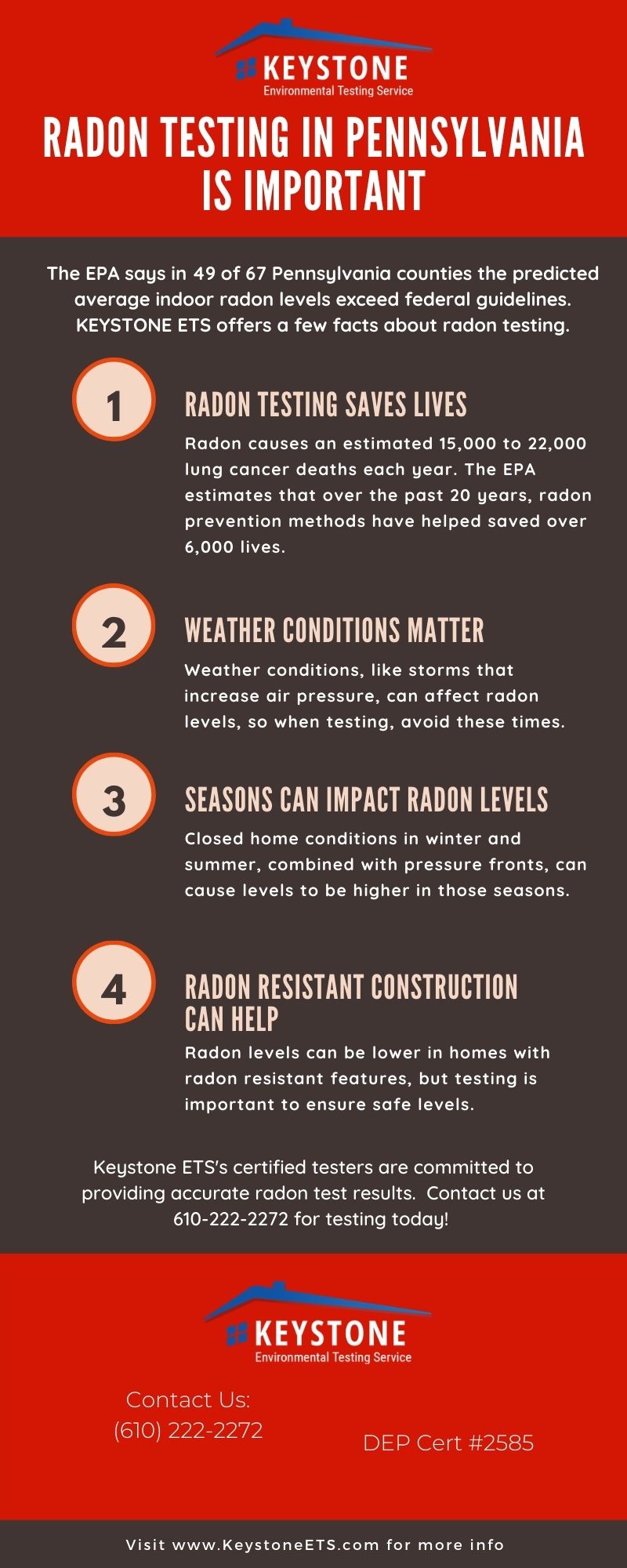 Radon-Rid, LLC utilizes the services of Keystone Environmental Testing Service (Keystone ETS) for all radon tests. Call 610-222-2272 to schedule a radon test.
Radon gas exposure is a well-documented health risk. In fact, exposure to radon is the number two cause of lung cancer in the United States, and exposure has caused other respiratory issues as well. Radon gas is undetectable to any of our senses. Fortunately, eliminating radon gas from homes is relatively easy and inexpensive compared to other dangers, but homeowners have to take the first step — radon testing.
You can have two basic types of radon testing – short term and long term. Both are useful, with the short term method being the most frequently used. However, the long term radon testing method is the most reliable. Keystone ETS performs both types as part of professional radon testing for your home or facility.
Short-Term Radon Testing
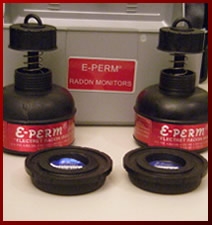
The short term testing method is the quickest way of radon testing. The testing period lasts from two (2) to ninety (90) days. Short-term radon testing equipment includes a charcoal canister, alpha track, electret ion chamber, continuous monitors, and charcoal liquid scintillation detectors, which remain on your property anywhere from two (2) to ninety (90) days. Radon levels vary from day to day and season to season, so testing radon through the short-term process is less likely to tell you your year-round average radon level.
A short-term radon test followed by a second short-term radon test generates quick results in determining whether to remediate your home or property. Another option the EPA suggests if results are needed more quickly is to conduct two short term tests at the same time, using two separate test kits in the same location. This method is sometimes used when a real estate transaction is on hold for testing results.
Long-Term Radon Testing
A long-term radon testing kit remains on your property for more than ninety (90) days. Common equipment for this type of testing includes an alpha track and electret ion chamber detectors. A long-term test is different from a short-term test because, since the testing time is longer, you will get an idea of your home’s year-round average radon level. Knowing this could mean the difference in whether you decide to mitigate. The reason is that high pressure levels outside could cause radon levels to fluctuate, and if they peak when you are testing for radon, you could see a reading that is abnormal for your home.
Passive vs. Active Testing Devices
Testing equipment can be active or passive. Passive equipment requires no power source and is left in an area for the length of time dictated. The device works through exposure to the air and at the end of the test period, is sent to a lab to be tested.
 Active equipment utilizes a power source and many active testing systems can provide more sophisticated testing. For example, some monitors will record when peaks occur, so specialists can note whether any mitigating factors were involved, like heavy rain, which can greatly increase radon level readings. Active equipment can record events that could indicate interference in the testing, like differences in temperature for long periods of time. This type of reading could indicate that windows and doors were opened or that the device was moved to a new location for a time. Sometimes in real estate transaction-related testing, homeowners can attempt to show more positive results. Active monitoring can help detect whether any tampering has occurred. Check with your specialist to learn which type of testing will be best for your situation.
Who Needs Radon Testing?
Dangerous levels of radon gas could be found in any structure, even if the building or home next door has a safe level. “Safe level” is a misleading term, because no level is desirable. However, the Environmental Protection Agency (EPA) recommends that any building with a radon level of 4 pCi/L or higher receive radon remediation by a professional.
Real Estate Agents
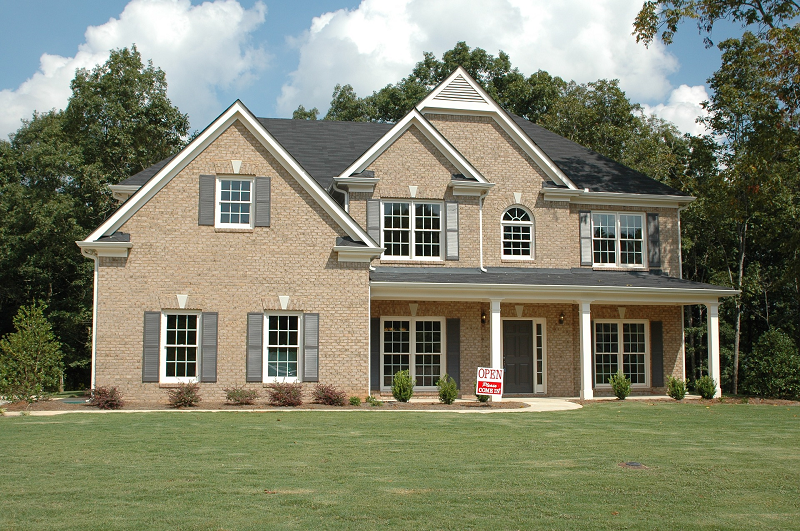 In real estate transactions, radon inspection is becoming more commonplace, just like you would inspect the foundation and other areas of the house. Buyers want to know that the place they are going to be moving their families into will be safe. If inspection reveals elevated radon levels, the seller may be asked to purchase a radon mitigation system, or to make allowances for the buyer’s future cost to remediate.
Homeowners
Homeowners who are proactive, or who live in areas where the radioactive gas has been found, have radon inspections done because they would rather be safe than sorry. Initial testing for radon is pretty simple. Test kits can be purchased at a local hardware store. Many people prefer the added assurance of having certified radon testing and inspection specialists perform the service.
Schools and Public Buildings
 Buildings wherein children spend a large part of their days should be safe for them. Most states have no mandatory testing requirement. However, more bills are being put forth that request schools be tested for high levels of radon. Public buildings, whether state-owned or private, such as retail centers, have as much risk as any other structure for the presence of radon.
EPA Recommendations for Radon Testing
The EPA encourages radon testing, noting that all homes have the potential to have high radon levels. New homes and old homes alike are susceptible, and a home that has no radon gas may be right next to a home whose levels of radon are at unacceptable levels. In many areas, such as here in Pennsylvania, realtors recommend radon testing before purchasing new real estate. If the test results indicate high radon levels, sellers may choose to install mitigation systems or allow for the cost in closing negotiations.
The EPA recommends taking a short-term radon test, and if the results are 4 pCi/L or higher, then proceed with a follow-up test to make certain. If the short-term radon testing result is high (about 10 pCi/L or higher), then the best direction is taking a short-term follow-up test instead of a long-term follow-up test. Results for radon at an average of 4 pCi/L or higher on the first and second tests indicate a need for remediation.
Testing Tips
 Avoid performing short term radon testing during storms or high winds as air pressure, and rapidly moving air can impact the results.
- Perform the test in the lowest part of the home that people use on a regular basis.
- Avoid moving the test equipment during the test.
- If the test will last for less than a week, try to maintain closed-house conditions (all doors and windows remain closed except to allow for normal traffic in and out, and no fans that bring air into the home should be run during the test period).
Why Trust a Qualified Radon Inspection Contractor?
Having a qualified radon testing specialist is important because will have undergone the proper and rigorous training needed for the task. An experienced radon contractor will know the best testing methods for your type of home or building. If you do need remediation, he/she will be qualified to advise you on the next steps. Best practices or methods may change over time, and certified radon contractors will participate in re-testing every two years.
Qualified radon testers should:
- Review testing guidelines and measurement results and determine additional measures
- Evaluate the problem and include a proposal on how radon will be lowered
- Take the necessary measures to install and design a radon-reduction system
- Install the system according to DEP Mitigation Standards and state codes
- Follow up to make certain the finished system effectively reduces the radon to safe levels
You should also be certain that your radon testing and remediation professional is licensed and insured to protect yourself from any liability.
Radon-Rid, LLC Utilizes Keystone ETS for Experienced and Certified Radon Testing and Inspection
We know that protecting your family or those who come into your place of business is important to you. Making a correct evaluation of the radon levels in your home and determining the proper strategy for mitigating those levels is important to us. We provide certified, experienced and insured radon testing, inspection, and remediation so you can have peace of mind and healthy bodies. For a consultation or more information about radon, contact us today.
Just A Few Areas We Serve
- Phoenixville
- Collegeville
- Royersford
- Pottstown
- Paoli
- King of Prussia
- Wayne
- Malvern
We Want to Help
"(required)" indicates required fields
Radon – The Silent Killer
Radon In Your Home
- Learn More About Radon Levels in Your County
- Take a few minutes to browse our Get To Know Radon Online Presentation.
- When you are finished, be sure to tell a loved one about our testing programs offered in Berks, Chester, Delaware, Lancaster, Montgomery & Philadelphia Counties.